Running around the clock. Not fully lit around the clock.
Hospitals operate 24 hours a day. Yet many corridors, side rooms and stores are empty most of the time. That is where light can follow occupancy and time of day.
What § 56 means here
Hospitals are non-residential buildings and often have heating, air-conditioning and ventilation systems above 70 kW. Under Germany's GModG, automatic lighting control is then required by 31 December 2029, as a rule zoned and with occupancy detection.
Care facilities deserve a closer look: under the act's definitions, residential and nursing homes for older people count as residential buildings, to which § 56 does not apply. For mixed-use sites, we clarify with you which buildings are affected.
How we plan your hospital
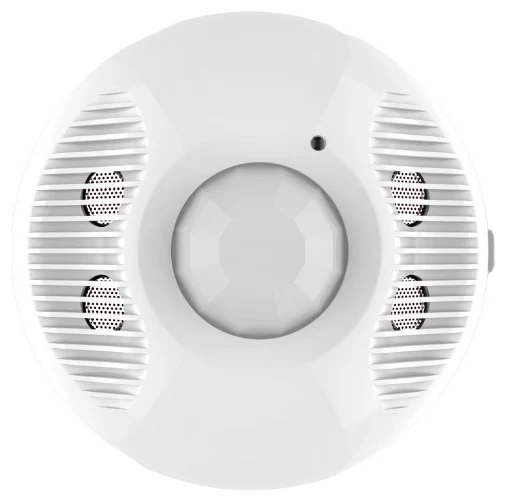
Corridors get a corridor function: at night they dim to a low background level and come up on movement, without full light spilling into the rooms. Stores, side rooms and washrooms switch by presence.
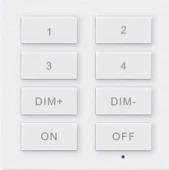
In patient rooms and ward offices, staff keep control, for example via wireless wall switches with scenes. Medical lighting, such as in examination and treatment rooms, and safety lighting are coordinated with you separately.
Typical zones
- Ward corridors with night setback
- Patient rooms with local control
- Stores, side rooms and washrooms
- Administration and offices
- Stairwells and connecting corridors
Frequently asked questions
Are the corridors dark at night?
No. Corridors dim to background light for orientation and come up on movement. We set brightness and hold times with you to suit the ward's routines.
Can patients and staff switch the light themselves?
Yes. Wireless wall switches for scenes and dimming can be added without new cables. Automatic control complements local operation; it does not replace it.
Do we need to interrupt hospital operations?
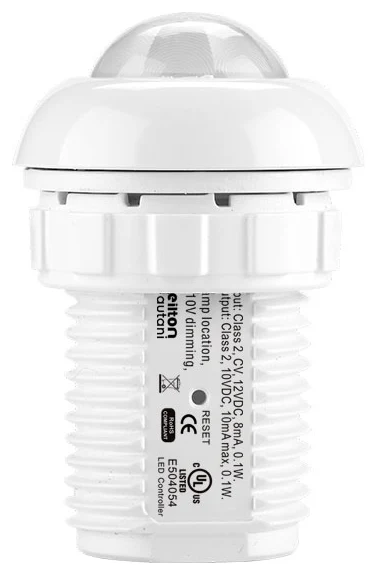
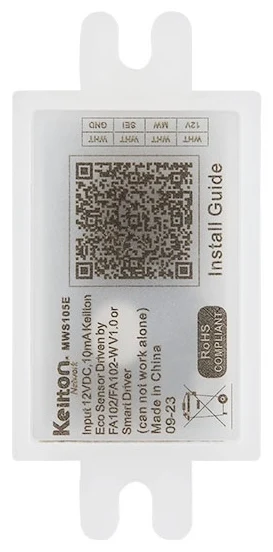
No. Sensors are mounted on or in the luminaires and connect wirelessly. We install section by section and agree sensitive areas with you in advance.
From your question to a finished plan.
Free initial consultation, one contact person.